Hypno Treatment

About Hypnotherapy

About Hypnotherapy

The modern world is full of pressure. As we seek to lead happy, fulfilled lives, we run up against frustration and stress. There don't seem to be enough hours in the day to do all the things we wish we could. We lead stressful lives and with our busy schedules, have little time to address our inner lives. Many of us never manage to reach our full potential, either because we don't have the time to do so, or because we're too busy to notice the opportunities that present us with the hope of personal growth.

The world is full of promises about increasing our memory and intellectual power and reducing stress, but many of these are ineffective, or only temporarily helpful. Leaving problems like stress, lack of concentration and motivation unattended can affect our performance, as well as our physical strength and immunity, in the long run. One of the most underrated types of treatment for stress, memory failure and reduced concentration is hypnotherapy.

Hypnotherapy (hypnotism) has many benefits. It is widely used in several fields like medicine, the military and of course, psychological therapy. It is a type of auto suggestive science with which we can maximize our concentration and focus. Over the years, the understanding of hypnotism as a therapeutic tool has evolved, and people are now much more open to using it as a treatment.

For a long time, people believed that hypnotism was an abstract concept that didn't work. Over time, though, these attitudes are being challenged, as our understanding of the subconscious and its role in governing our behaviors is enhanced. In essence, the history of hypnosis is a history of our ability to perceive the truth about how our minds work and to work from those perceptions. As our perception and scientific understanding have grown, so has our ability to utilize the gifts of the hypnotic process.

There is some skepticism in the medical community and also a number of provisos that should be heeded with regard to the use of hypnosis. Some of these include side effects like undue sleepiness following therapy, additional anxiety, headaches and even the generation of false memories. The last side effect may be particularly true of those undergoing regressive therapy for the treatment of damage caused by childhood abuse. As with any course of psychotherapy or medical treatment, choosing the right practitioner is paramount and care should be taken to ensure that you're working with a trained, licensed professional.

If attempting self-hypnosis, it's always advisable to seek consultation prior, to ensure that your methodology is sound and effective. Hypnosis can help you transform your life and reach your fullest life potential. It can also help you address old wounds and ongoing behaviors which are holding you back in life.

In this book we'll delve deeply into the science of hypnotism. Each chapter is written in a structured manner to guide you through the nuances of hypnosis. In this book, you will discover the benefits of hypnosis, as well as its various types, applications and methods. The history of hypnosis and the modern practice of hypnotherapy is diverse and incredibly rich. I hope to offer you a look into this history and the many applications for its benefits. You'll meet historical figures like the improbable Abbe Faria and the brilliant Milton Erickson. Combat veterans and psychologists. Hucksters and geniuses.

I believe you'll find the study of hypnosis to be a rich field of promise and hope for many challenges and modern ailments, as well as highly entertaining. Read on and discover how hypnosis can help you move a step closer to your goals. I want to thank you for purchasing this book and hope you find it helpful.


Common Fears and Misconceptions

Common Fears and Misconceptions

Hypnosis is NOT Sleep

When someone is in hypnosis, their mind does not disappear, and they do not typically feel like they are asleep. It is important to make people aware of this, because they may think that since they are totally aware of everything, that they must not be in hypnosis, and they will pop themselves out of trance.

You will not be asleep. You will hear everything I say. In fact, in many respects you will be more aware in hypnosis than you've ever been before in your life. You might be aware of things like the ticking of the clock in the background, or the sounds of the street on the outside.

You Will NOT Forget (Everything)

One of the earliest experiments in hypnosis discovered that when people came out of trance, they were spontaneously forgetting the events that occurred inside. Now you've got to remember a couple of things. First of all these were different times. In other words, the kind of hypnotic trances that we're doing and the induction process that we're using are different now. An "old school trance" would typically take many hours just for the induction.

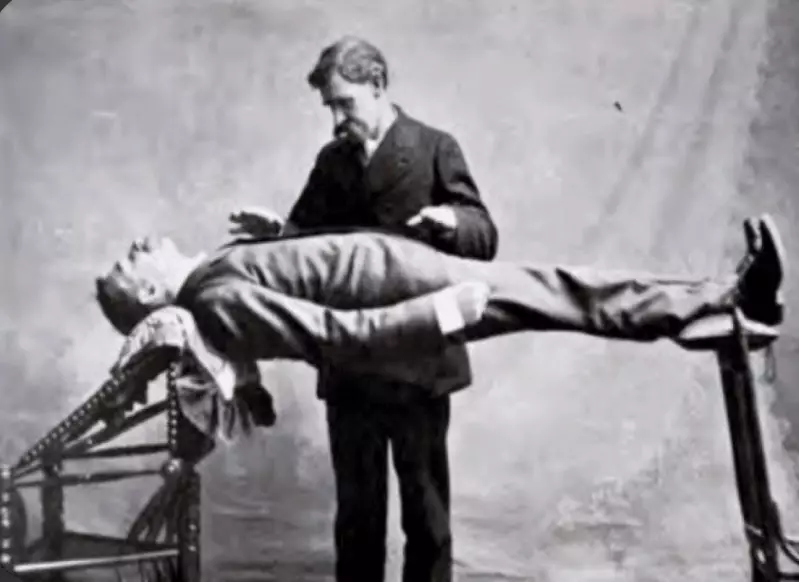
The hypnotist would wave his hands over the subject's body monotonously — sometimes for hours. If nothing else, they could be inducing trance out of sheer boredom! So in modern hypnosis (and a lot of the trances that we use, particularly for therapy or stage hypnosis) most people know exactly what's going on almost all of the time. It's just they're not bothered by it. They kind of enjoy drifting with the experience. They are in a free-flowing state of mind, where it's easy to go along with the suggestions. You will remember everything that's happened at the end of the session. Occasionally I may suggest that you forget a few things. This is just so that your unconscious mind has the freedom to deal with those things outside of your awareness, without any interference. But it's a rare occasion when that sort of thing happens.

You Will NOT Lose Control

The hypnotist's role is to guide someone through the experience. The subject's role is to listen to suggestions and realize that any suggestions that are negative or in some way are contrary to their moral code, their moral values, will be rejected.

In fact, if a hypnotist ever tried to get their subject to do something immoral, what's more likely to happen is that the subject comes out of trance and gives the hypnotist a stern talking to! Your unconscious mind is there to protect you, to look after you. Why would it make you break your moral code? In the same way you won't tell me anything that you don't want to be telling me.

You Will NOT Reveal Your Darkest Secrets

Everyone has skeletons in the closet. Everyone has things in their past that they don't want to talk about or might be a little bit ashamed of. For the most part, the irony is that these things that we don't want to talk about or tell people about, are things that are so minor that if they came out people would go, "That's what you were worried about? That's not a big deal." The point is, though, some people are afraid that these secrets, as they were, may come out, and that someone else will know their big secret. Again, this is not the case and you'll need to reassure people that their secrets will remain their secrets.

In this way, their attention is free to follow your suggestions, rather than being eaten up inside hoping and wondering and being afraid that you might discover something that you really don't even care about that much. Your secrets will remain your secrets. After all, your unconscious mind is there to look after you, not to look after me. So why would it reveal secrets that you don't want other people to know if it's looking after you?

You Are NOT Gullible or Stupid

Some people think that in order to be suggestible you've got to be gullible. There is a big difference between gullibility and suggestibility. People who are gullible aren't necessarily great hypnotic subjects. One of the reasons for this is that if they're going to believe everything anyone tells them anyway, then the minute someone comes in and tells them a contrary suggestion to the ones that you've made in hypnosis, they'll go down the wrong path again. So their mind is filled with conflicting suggestions.

Intelligence, on the other hand, requires the ability to try out new ideas and ways of being so you can choose the best one — something that hypnotic suggestion is designed to facilitate. So intelligent people are already used to using "hypnotic realities" to get better results! Of course, their defence mechanisms are still there to shield them from negative suggestions! There is evidence to suggest that there is a correlation between intelligence levels and suggestibility. In other words, the smarter you are, the more suggestible you tend to be.

You Will NOT Get Stuck in Hypnosis

They will always wake up out of hypnosis. Occasionally, and very occasionally, when you try and end the trance session someone won't respond. They will choose to stay in hypnosis because it's very pleasant. Now that is a very different thing.

This is them choosing to remain in a very pleasant state. You will always wake up from hypnosis. The very worst thing that could ever happen, even if I died on the spot in the middle of our hypnosis session, is that you'd just drift off into a wonderful sleep. You'd wake up half an hour or an hour later, feeling refreshed and wondering how you got there. And that is it.

Hypnosis and Hypnotherapy

Hypnosis and Hypnotherapy

Hypnosis itself is not a therapeutic process. Hypnotherapy, is a therapeutic process built upon a foundation of helping, of empathy, and of sincerely desiring to help people make changes, feel positive, and accomplish their goals in life.

Why use hypnosis? Why use hypnotherapy?

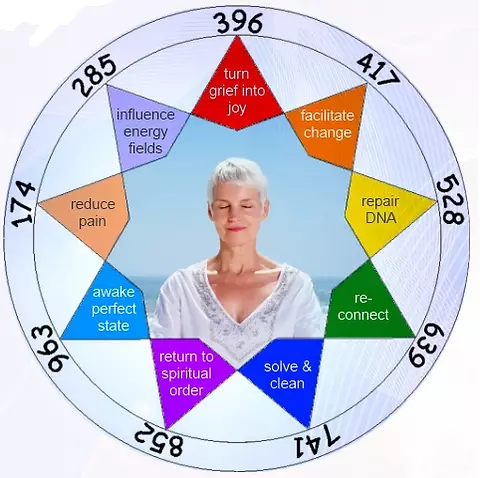
As a Hypnotherapist in London I can assure to help you with all listed problems on my website. My knowledge and experience as a Hypnotherapist, NLP, CBT, MBL, life-enhancing frequencies practitioner are enough to eliminate unwanted disorders.

The History of Hypnosis

The History of Hypnosis

Like the unconscious act of breathing, the hypnotic state has always been part of the human experience. The thing is, we haven't always known how to induce it, maintain it, or use it to heal, help and enhance our lives. In fact, it's really only since the 19th Century that hypnosis has been pursued as a science and a therapeutic tool for the treatment of mental health challenges, as well as physical ailments.

Forms of hypnotism can be seen dotting the pages of recorded history, but their presence is generally in the form of divine intervention, practiced with the aid of an intermediary. Shamans and priestesses, ritual and magic, checker the past of hypnosis, from the pages of the ancient Vedic texts to the papyri of pharaonic Egypt. Even today, the modern attitude toward hypnosis tends to be that of "hocus pocus"; a contemporary reflection of long ago practices which were not scientifically or empirically-based, but firmly rooted in the world of mysticism.

In ancient India, the first recorded instance of hypnosis dates back 3,000 years. Sleep temples were dedicated to the extraction of dreams, said to be sent to believers by the gods. Temple clergy were engaged in ritual practices which were believed to induce a state in which believers could receive divine messages and directives. But these rituals didn't make any distinction between the trance state and actual sleep.

That didn't happen until 1017 CE, with the publication of The Book of Healing, by Persian physician Avicenna Ibn Sina. Ibn Sina referred to the induced trance state (hypnosis) as "al wahm al-amil", meaning the ability of a subject of hypnosis being able to willingly accept induction ("going under"). Over the ages, hypnosis has appeared in a variety of incarnations, as people sought to understand the apparent connection between hypnosis and the healing process. From Paracelsus (who believed that magnets or "lodestones" passed over the body were the key), to Father Maximilian Hell (who added steel plates to Paracelsus's equation), a wide array of practitioners sought in vain. That's until a student of Father Hell's, a certain Franz Anton Mesmer, began asking the right questions.

History of Stage Hypnosis

History of Stage Hypnosis

Stage hypnosis, as practiced in the 18th and 19th centuries (and even today, in some entertainment settings) is probably the root of many peoples' suspicion of hypnosis. While some practitioners (LaFontaine, for example), believed their stage acts were contributing to the clinical development of hypnosis as a medical treatment, others believed that "the show was the thing", as Shakespeare wrote.

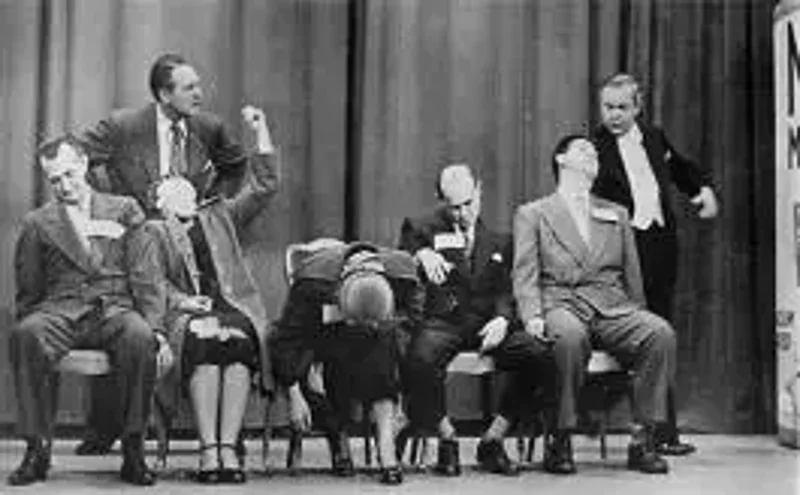
As an entertainment, stage hypnosis was extraordinarily popular and continues to be, with varying levels of rigor applied by stage hypnotists. Some of these have been known to place "ringers" in their audiences, who stand in for legitimate audience members, performing pre-arranged "tricks" for the sake of entertainment and to enhance the performer's reputation. Ringers and stooges also serve the purpose of establishing legitimacy, thus increasing suggestibility in audience members.

Performers like these depended on three key ingredients in order to hoodwink their fans (who perhaps were completely fine with being hoodwinked, for a good night out). The first of these was social pressure. In a group setting, people tend to be much more willing to "go along to get along". Nobody wants to be the spoilsport who lets on that he or she hasn't actually been hypnotized.

The second ingredient was the careful selection of audience members to be called to stage to be hypnotized. By asking the audience to follow a suggestion, hypnotists, in concert with assistants observing the audience, could identify those most prone to suggestion and also the most extroverted (and thus entertaining) people present. Finally, deception played an important part in the spectacle of hypnosis as entertainment, with many performers employing drama and simple magic tricks to dazzle their audiences.

As we'll see later on, though, that's not the aim of hypnosis, nor its reality. In truth, hypnosis is only guided by the hypnotist. The stage hypnotist of the entertainment's heyday is, in fact, the locus classicus of the term "Svengali effect". With the hypnotist cast in the role of mysterious and all powerful puppet master, audience members would be seen to have lost control of their wills, in confrontation of the overwhelming charisma of the hypnotist. As we'll see a little later on, these practices were so widespread in the United Kingdom, that legislation was required to curtail them, which led to the Hypnotism Act of 1952.

Throughout the 20th Century and to the present day, stage hypnosis continues to attract enthusiastic audiences. One of the best known stage hypnotists is the Amazing Kreskin, who has been vocal in his opposition to the unscrupulous practices of some of his fellows, particularly the use of ringers and stooges. Despite some of the practices inherent, then, it's clear that behind the "roar of the grease paint, the smell of the crowd" there lay a solid basis for what was to become a viable and scientifically-supported clinical discipline.

What is Cognitive Behavioral Therapy

What is Cognitive Behavioral Therapy

Cognitive Behavioral Therapy (CBT) is a form of psychotherapy that focuses on the connection between thoughts, feelings, and behaviors. It aims to help individuals identify and change negative or unhelpful patterns of thinking and behavior. CBT is commonly used to treat a wide range of mental health conditions, including anxiety disorders, depression, phobias, post-traumatic stress disorder (PTSD), eating disorders, and substance abuse. It can also be effective in managing stress, improving communication skills, and enhancing overall well-being.

Is CBT effective treatment for anxiety and depression?

Yes, Cognitive Behavioral Therapy (CBT) has been found to be an effective treatment for anxiety and depression. Numerous studies have shown that CBT can significantly reduce symptoms of anxiety and depression and improve overall well-being. CBT helps individuals identify and challenge negative thought patterns and develop healthier coping strategies. It focuses on teaching practical skills and techniques that can be applied in daily life to manage anxiety and depression symptoms. However, it's important to note that the effectiveness of CBT may vary from person to person, and it is often used in combination with other treatments or therapies for optimal results.

To effectively use Cognitive Behavioral Therapy (CBT), it is recommended to work with a trained mental health professional in London who specializes in CBT. However, here are some general steps that can help you understand the basic principles of CBT:

  1. Identify and understand your thoughts and beliefs: Pay attention to your thoughts and beliefs in different situations, especially those that contribute to negative emotions or behaviors. Recognize any patterns or distortions in your thinking.
  2. Challenge negative thoughts: Once you have identified negative thoughts, challenge them by examining the evidence supporting or contradicting them. Consider alternative perspectives or explanations that may be more realistic and balanced.
  3. Replace negative thoughts with positive ones: Replace negative thoughts with more positive and realistic thoughts. This can help shift your perspective and reduce negative emotions.
  4. Practice behavioral changes: Identify behaviors that contribute to your difficulties and work on changing them. Set specific, achievable goals and gradually work towards them.
  5. Learn and apply coping skills: Develop and practice coping skills that can help you manage stress, anxiety, or depression, such as relaxation techniques, problem-solving strategies, assertiveness training, or mindfulness exercises.
  6. Monitor progress and adjust: Keep track of your progress and evaluate the effectiveness of the strategies you are using. If necessary, make adjustments or seek guidance from a mental health professional to refine your approach.

Remember, CBT is a structured and goal-oriented therapy that requires active participation and practice. Working with a trained therapist can provide personalized guidance and support throughout the process.